Plant Fairs Near Me (UK): How to Find the Best Plant Sales This Weekend
Typing plant fairs near me into Google on a Friday night is a classic move — you want somewhere fun to go, you want plants, and you want to come home with that “I got a bargain” glow. The problem is that local event info can be scattered across websites, posters, and social pages… and by the time you find it, it’s already happened.
This guide explains what plant fairs are, what’s worth buying (and what to avoid), how to spot quality sellers quickly, what to bring so you’re not juggling pots with your elbows, and how to find a good fair this weekend using a simple directory-led method. (No invented listings — just practical tips and how to browse properly.)
- What plant fairs are
- Best buys (rare plants, perennials, bulbs)
- What to bring (checklist table)
- How to spot quality sellers
- Tips for buying healthy plants
- Family-friendly fairs + food stalls
- How to find one this weekend
- Browse fairs by county
- FAQs
What plant fairs are (and why they’re worth your time)
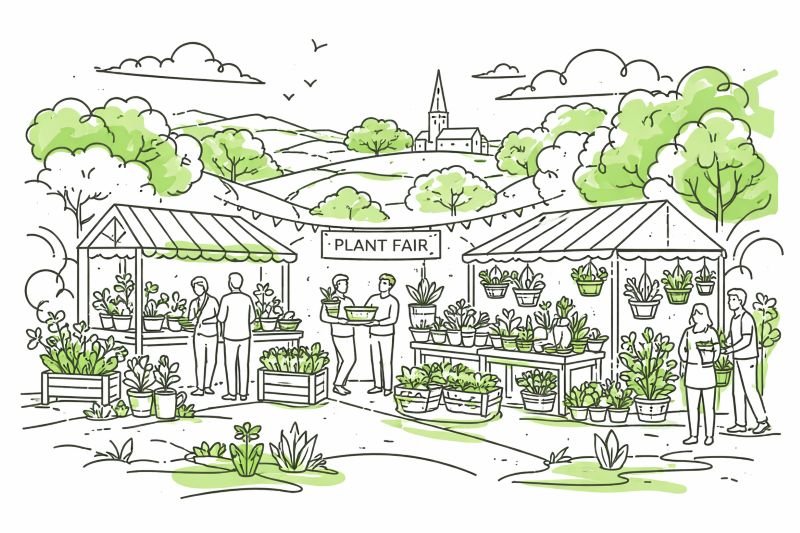
A plant fair is usually a pop-up event where multiple growers and sellers set up stalls — often at gardens, community venues, parks, farms, heritage sites, or visitor attractions. Think of it like a mini market, but for plants: perennials, shrubs, bulbs, herbs, houseplants, and sometimes garden tools, handmade pots, or locally produced goods.
People love plant fairs because they’re often:
- Better for variety (you’re browsing lots of sellers at once)
- Great for specialist stock (rare perennials, interesting cultivars, unusual bulbs)
- Good for advice (growers tend to know their plants inside out)
- More fun than a standard shop visit (it’s an actual day out)
If your search includes plant sale near me this weekend, a plant fair is often the best match — you get that “limited-time” vibe plus the chance to discover sellers you’d never find otherwise.
Best buys at plant fairs (what’s usually worth snapping up)
Not every plant fair is the same — some are heavy on perennials, others lean into houseplants, bulbs, or seasonal colour. But if you want to leave with genuine value, focus on categories that fairs do especially well.
1) Rare and interesting plants
Plant fairs are where you often find the “I didn’t even know that existed” stuff — unusual leaf forms, different flower colours, heritage varieties, or plants that aren’t stocked widely in retail chains.
2) Perennials (especially strong, field-grown stock)
Perennials can be brilliant at fairs because many sellers grow them properly — not rushed, not stretched, often well-rooted. You’ll often find tougher, garden-ready plants that establish well.
3) Bulbs (seasonal gold)
Depending on the time of year, fairs can be great for bulbs — the kind you can buy in batches for real impact. Bulbs are also easy to carry home (a big plus if you’re walking around all day).
4) Herbs and edible plants
Herbs, soft fruit, and veg plants can be excellent buys — especially if the seller can tell you exactly how they’ve been grown and hardened off. If you’re after edible plants, ask how they’ve been kept (under cover vs outdoors) and when they’re ready to plant out.
5) “Garden problem-solvers”
If your garden has a tricky spot (dry shade, heavy clay, windy corners), fairs are a smart place to find plants chosen for specific conditions — and to get advice that’s tailored, not generic.
And if you want to continue browsing after the fair, use local directory pages for nearby growers and retailers: Garden centres and nurseries.
What to bring to a plant fair (so you don’t regret it halfway around)
The difference between a brilliant plant-fair day and a mildly chaotic one is usually what you brought with you. Here’s a simple checklist — especially useful if you’re going because you saw “plant sale near me this weekend” and you’re going on impulse.
| Item | Why it helps | Pro tip |
|---|---|---|
| Reusable bags / sturdy tote | Carrying pots gets heavy fast | Bring 2 bags: one for plants, one for extras (labels, compost toppers, etc.) |
| Plastic tray / crate | Stops plants tipping in the car | A shallow box is ideal; it also keeps soil off your boot |
| Cash + card | Some stalls are card-only, some prefer cash | If you can, carry small notes/coins for quick transactions |
| Plant labels + pen | You will forget names later (everyone does) | Label your buys as you go; include sun/shade notes |
| Gloves | Handy for prickly plants or messy pots | Also useful if you’re rummaging in bargain bins |
| Water bottle | Plant fairs can turn into long walks | Hydration first, plant decisions second |
| Measuring tape (optional) | Great for judging pot size / plant spread | Especially helpful for shrubs and climbers |
| List of “gaps” in your garden | Stops impulse overload | Plastic tray/crate |
If you’re driving, add a blanket or an old towel to prevent pots from sliding. If you’re on public transport, aim for smaller plants — or bring a small wheeled trolley if you’re serious.
How to spot quality sellers (fast)
The best stalls at a plant fair are usually obvious — not because they’re flashy, but because everything looks cared for. Use these quick signals to find the growers you want to buy from.
Green flags
- Plants look tidy and well spaced (not crammed together and stressed)
- Labels are clear (name + basic care notes)
- Seller can explain growth habit (final size, conditions, aftercare)
- Stock is consistent (healthy plants across the table, not just one “good” section)
- Good root health (if they’re happy for you to gently check)
Red flags
- Lots of wilted plants in full sun with no shade or water nearby
- Massively rootbound pots are being sold as “ready to plant” without advice
- No clear plant names or care info (especially for anything unusual)
- Seller avoids basic questions (sun/shade, size, watering)
A quick rule: if the stall looks like someone is actively tending it throughout the day — topping up water, moving plants out of harsh sun, straightening stock — you’re usually in good hands.
Tips for buying healthy plants (so they thrive at home)
Plant fairs can be tempting because everything looks exciting and “limited”. But healthy plants win. Here’s how to buy like a calm, capable gardener — even if your hands are full and you’ve had a bacon roll.
Do the 30-second plant check
- Leaves: even colour, not heavily spotted, not sticky, not crawling with pests
- Stems: firm and balanced, not floppy or leggy (unless it’s a known trailing plant)
- Compost: slightly moist, not bone dry or swampy
- Roots (if possible): healthy, light-coloured roots; not a tight, solid spiral
Buy for your conditions, not your fantasies
It’s easy to buy a sun-loving plant for a shady patio because it looks stunning on a table. If you’re not sure, ask the seller: “Will this cope with my conditions?” The best sellers will give you an honest answer.
Prioritise strong plants over big flowers
Especially for bedding and perennials: plants covered in flowers can look amazing, but they may be investing energy in flowering rather than establishing. A plant with strong leaves and a good structure often performs better long-term.
Plan your planting window
If you’re not planting within a day or two, consider whether you have space at home to keep plants happy (light + watering). The best bargain plant can struggle if it sits neglected in a hot car boot or on a windowsill for a week.
Family-friendly fairs, food stalls, and making a day of it
Many plant fairs are more than shopping — they’re little local festivals. It’s common to find:
- Food stalls (coffee, cakes, hot snacks)
- Local makers (pots, garden art, crafts)
- Kid-friendly areas (especially at larger venues)
- Garden access (sometimes the venue has gardens to explore)
If you’re going with family, a smart move is to arrive early, do your plant buying first (while stock is freshest), then relax and enjoy the rest of the event without carrying half a greenhouse around.
You might also see people searching for RHS partner gardens near me as a “day out” alternative. While RHS partner gardens aren’t the same thing as plant fairs, they often inspire plant choices — and some venues host plant sales or events seasonally. If your weekend plan is “garden places near me”, a plant fair plus a visit to a local garden can be a perfect combo.
How to find a plant fair this weekend (without endless scrolling)
Here’s the fast method when your intent is: plant sale near me this weekend, and you want a real plan.
- Check an events hub first. Start here: Browse events. (This is the quickest way to see what’s happening without relying on random search results.)
- Use location filtering. Narrow by county/area so you’re not looking at events you’ll never travel to: Browse by location.
- Look for venue clues. Fairs held in gardens, community venues, heritage sites, or farms often feature a strong mix of vendors and a more pleasant day-out atmosphere.
- Have a backup plan. If no fairs are nearby, use local browsing to visit a reputable garden retailer: garden centres and nurseries.
In other words: don’t just search “near me” and hope — browse by area and choose intentionally. It’s the difference between a wasted Sunday and a haul of plants you actually love.
CTA: Browse plant fairs by county
Ready to find a fair near you? Start here and browse by county: Browse by location, then head to Events to see what’s on this weekend.
If you’d rather shop at established local retailers after the fair (or instead of it), browse: Garden centres and nurseries.
FAQs
1) What is a plant fair?
A plant fair is a pop-up event with multiple plant sellers (often growers) offering plants like perennials, shrubs, bulbs, herbs, and sometimes garden goods. It’s like a market, but focused on plants.
2) Are plant fairs cheaper than garden centres?
Sometimes, especially for bulk buys or specialist plants. But the best “value” is often plant quality and how well it establishes. Compare plant health, root systems, and care advice — not just price.
3) What should I bring to a plant fair?
Bring sturdy bags or a crate, labels and a pen, cash and card, and something to keep plants stable in the car. A water bottle and a short list of what your garden needs also help you avoid impulse overload.
4) How do I know if a seller is good quality?
Look for well-watered, tidy stock with clear labels and a seller who can explain plant size, conditions, and aftercare. Avoid stalls where many plants look stressed or unlabeled.
5) Can I buy rare plants at plant fairs?
Yes — plant fairs are often one of the best places to find unusual cultivars, specialist perennials, heritage varieties, and bulbs you don’t commonly see in mainstream retail.
6) How can I find plant fairs near me this weekend?
Use an events hub and browse by location/county first. Start at Events, then narrow your search via Locations. If there are no fairs nearby, browse garden centres and nurseries instead.
Next step: Find upcoming plant fairs near you via Events, then browse by county using Locations. Prefer retailers over pop-ups? Explore garden centres and nurseries.