
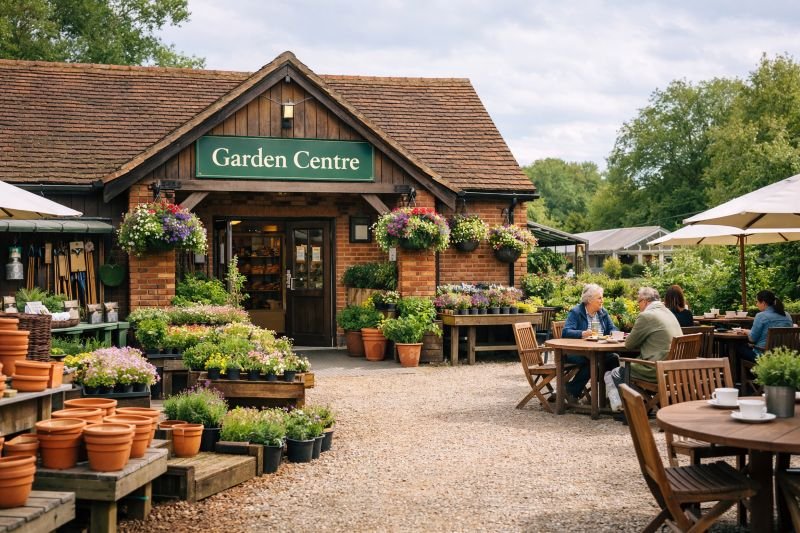
If you’ve typed “garden centre near me” into Google, you’re usually after one thing: a reliable place nearby where you can buy healthy plants and garden essentials without wasting hours driving around. The tricky part is that not every garden centre is the same. Some are brilliant for shrubs and perennials, others shine for indoor plants, landscaping materials, or a genuinely good garden centre cafe. This UK-focused guide gives you a practical way to spot quality fast, compare nearby options, and end up with a short list you actually trust.
- Browse Garden Centres & Nurseries:
- Browse by county: England | Scotland | Northern Ireland | Wales
- Own a business? Add your listing | Claim your listing
What makes a “good” garden centre in the UK?
A strong garden centre makes gardening easier by doing four things well
- Stocks healthy plants that have been handled and watered correctly.
- Keeps product info clear (labels, sizes, care notes, peat-free options where available).
- Carries the essentials (compost, tools, pots, supports) so you can finish the job in one trip.
- Has staff who can give practical advice when you need it.
If you’re searching “garden centre near me UK”, use the checklist table below to separate genuine quality from “nice photos, average stock”.
Quick checklist table: how to judge a garden centre fast
CHECKLIST ITEM | WHAT “GOOD” LOOKS LIKE | QUICK TEST |
|---|---|---|
Plant health of leaves + stems | Leaves firm; minimal yellowing; no obvious pests | Check undersides |
Root quality drainage holes | Roots not tightly circling; soil not bone-dry or soggy | Lift pot; glance at |
Stock freshness benches and recent labels | Displays maintained; few “tired” trays left, fading | Look for tidy |
Labelling & info without guessing? | Clear names/sizes; sun/shade guidance you can use | Can you choose |
Range for your needs veg? check sections | Strong selection for your type of garden | Balcony? borders? |
Staff knowledge question | Practical advice on soil, timing, and aftercare | Ask one specific |
Aftercare essentials complete the job today? | Compost/feed/stakes/mulch available in one trip | Can you |
Pricing transparency items quickly | Clear pricing; no surprises at the till | Compare 3-5 common |
Delivery (optional) + minimum spends | Available for bulky items (topsoil, compost, stone, etc.) | Ask about zones |
Returns/guarantees or ask | Policy is clear; some plant guarantees are offered | Look for signage |
Accessibility and layout | Trolleys, easy loading, sensible parking flow | Check trolley access |
Cafe (optional) seating + queue | Clean, decent value; nice if you’re making a visit to it | Quick look at |
Plant quality: the biggest “tell”
When people say a garden centre is “good”, they often mean the plants do well at home. That usually comes down to handling, watering, and stock rotation. Look for:
- Pests and disease: A few nibbled leaves aren’t a deal-breaker, but widespread sticky residue, webbing, black spots, or powdery patches can signal poor control. Always check the underside of leaves.
- Pot condition: Cracked pots, algae-ridden trays, or permanently waterlogged plants suggest inconsistent care.
- Weeds in pots: A little moss is normal outdoors. Trays full of weeds often mean stock has sat too long.
- Hardening off: Outdoor plants should look robust, not like they’ve been raised under cosy glass and dumped outside yesterday.
Buying indoor plants? Watch for fungus gnats (tiny flies), mushy stems, or constantly soaked soil. Buying shrubs and perennials? Check for firm stems and balanced growth rather than leggy, stretched shoots.
Stock freshness: why it matters (and how to spot it)
Fresh stock gives you more choices and reduces the chance you’ll buy plants that are already stressed. Quick signs of good turnover include tidy display benches, new labels, and fewer “end of season” sad trays sitting in prime spots. Discount areas are normal (and can be a great value). The key is whether the main stock looks cared for and replenished.
Staff knowledge: the shortcut to better buying
One useful conversation can save you money and disappointment. Try a question that matches what you’re buying:
- “Will this cope with wind and partial shade?”
- “Which compost would you use for container roses – and do you recommend a slow-release feed?”
- “What would you plant now for colour that’s tough in typical UK conditions?”
The best staff translate “sun/shade” into real-world advice for your situation (a windy front garden, heavy clay, or a north-facing patio). If staff are busy, clear care sheets and signage are the next best thing.
Garden centre cafes: a bonus, not the deciding factor
Many people search for a “garden centre cafe” because it turns the trip into a nice outing. Enjoy it – but don’t let a great cafe distract you from tired plant stock. Use plant health and freshness as your main signals, and treat the cafe as an extra.
Delivery and “one trip” shopping
If you’re doing bigger projects, delivery can be the difference between “easy day” and “how am I getting this home?” Check whether the centre can supply and/or deliver:
- Compost, bark, topsoil (including bulk bags if offered)
- Aggregates and decorative stone
- Sleepers, edging, paving
- Large pots and planters
A quick question at the desk saves hassle: “What can you deliver to my postcode, and what’s the minimum spend?”
How to compare garden centres near you (without overthinking)
Once you have a shortlist, compare using this simple 3-step approach.
A “near me” workflow using the directory
If you want faster results than scrolling endless map pins:
- Start with the category hub: Browse Garden Centres & Nurseries
- Narrow down by county and town locations: England | Scotland | Northern Ireland | Wales
- Open listing cards and compare what matters (opening hours, services, facilities, reviews, and quick facts)
