No Mow May: Should You Try It in Your Garden?
If you have heard people talking about No Mow May, you may be wondering whether it is actually a good idea for your garden.
For some homeowners, the idea sounds brilliant: less mowing, more wildflowers, and a better garden for bees and butterflies. For others, it raises a few worries. Will the garden look messy? Will the grass become too difficult to manage? What happens when May is over?
The good news is that No Mow May does not have to be all or nothing. You can leave the whole lawn, a small patch, a strip around the edges, or a less-used corner of the garden. The aim is simple: give wildflowers and grasses time to grow, flower and provide food for pollinators.
This guide explains what No Mow May is, the benefits, the possible downsides, and how to try it in a way that still keeps your garden looking intentional.
If you need help with lawn care, wildlife-friendly planting or regular garden maintenance, you can use UK Garden Directory to find local gardeners and lawn care services near you.
What Is No Mow May?
No Mow May is a wildlife-friendly gardening idea that encourages people to stop mowing their lawn during May.
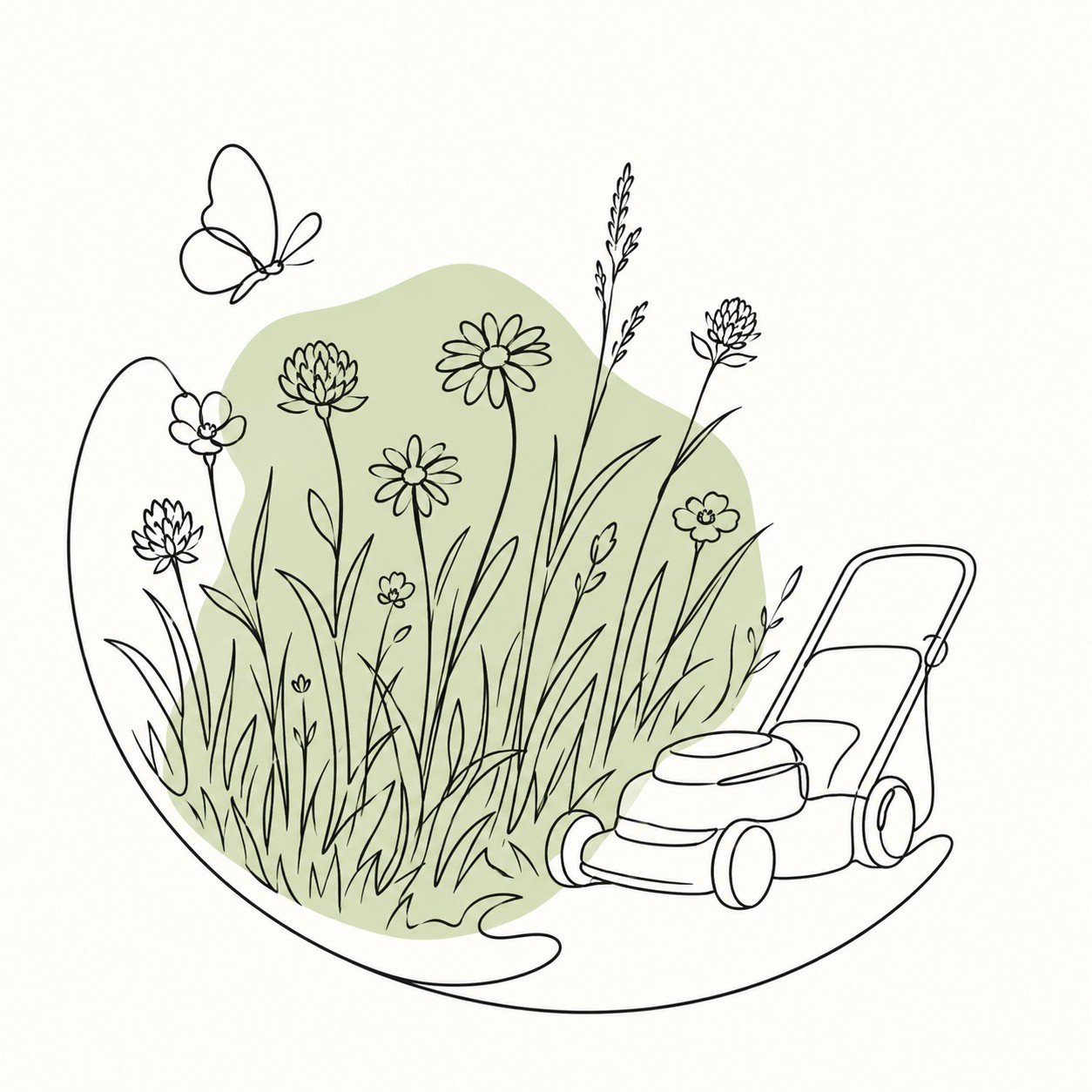
When grass is allowed to grow for a few weeks, small wildflowers such as daisies, dandelions, clover and buttercups may appear. These flowers can provide nectar and pollen for bees, butterflies and other insects at an important time of year.
The idea is not about abandoning your garden forever. It is about giving nature a temporary boost and noticing what already lives in your lawn.
You can take part by:
- Leaving your whole lawn unmown during May
- Leaving just one section of lawn to grow
- Mowing paths through longer grass
- Keeping the front lawn tidy but leaving the back lawn wilder
- Creating a small wild patch if you do not want long grass everywhere
Why Do People Try No Mow May?
Many UK lawns are cut very short throughout spring and summer. This can look neat, but it often leaves very little space for flowering plants or insects.
By mowing less often, you give small lawn flowers the chance to bloom. Even a modest patch of longer grass can become more useful for wildlife than a closely cut lawn.
No Mow May is popular because it is easy to try. You do not need expensive plants, a full garden redesign or specialist equipment. You simply choose an area and let it grow for a while.
The Benefits of No Mow May
1. It supports bees and pollinators
Flowers in the lawn can provide nectar and pollen for bees, butterflies, hoverflies and other pollinating insects. Clover, daisies and dandelions are often more valuable than people realise.
2. It helps wildflowers bloom
Many lawn flowers never get a chance to flower because they are cut too frequently. Taking a break from mowing allows you to see what naturally appears in your grass.
3. It saves time
For busy homeowners, mowing less often can be a relief. May is a busy gardening month, so reducing lawn mowing gives you more time for planting, tidying borders and enjoying the garden.
4. It can make your garden feel more natural
A slightly wilder lawn can soften the look of a garden. It can work especially well around trees, under hedges, beside fences or in corners that do not need to be used every day.
5. It can improve garden biodiversity
Different grass lengths can support different types of wildlife. Short grass, medium grass and longer areas all offer different conditions, so a mixed approach is often better than treating the whole lawn the same way.
Does No Mow May Mean Letting the Whole Garden Look Messy?
No. This is one of the biggest misunderstandings.
No Mow May does not mean your garden has to look abandoned. In fact, the best wildlife-friendly gardens often look intentional because the wilder areas are clearly managed.
You can keep the garden looking tidy by:
- Mowing a neat path through the longer grass
- Cutting a clean border around the edge of the lawn
- Leaving only one section to grow
- Keeping seating areas and paths short
- Using pots, borders and edging to make the wild patch look planned
A simple mown edge can make a big difference. It tells the eye that the longer grass is deliberate, not neglected.
Should You Leave the Whole Lawn or Just Part of It?
This depends on how you use your garden.
If you have children, pets, outdoor furniture or a small lawn, you may not want the whole area to grow long. In that case, leave a strip, corner or border section instead.
If you have a larger lawn, you could create zones:
- Short grass: for walking, sitting, children or pets
- Medium grass: cut less often to allow low flowers to bloom
- Long grass: left for wildlife, seed heads and shelter
This approach gives you the best of both worlds: a usable garden and a more wildlife-friendly lawn.
When Should You Start No Mow May?
Most people start at the beginning of May and avoid mowing for the rest of the month.
If the grass is already very long at the start of May, you may decide to mow once on a higher setting first, then leave it to grow. If the lawn is very short, simply stop mowing and let it develop naturally.
The exact timing depends on your garden, weather and grass growth. A mild spring may produce faster growth, while a cooler spring may be slower.
What Should You Do Before No Mow May?
You do not need to do much preparation, but a few simple steps can help.
- Decide which part of the lawn you want to leave unmown.
- Cut a neat edge around the area if you want a tidier look.
- Remove large debris, branches or rubbish from the grass.
- Avoid feeding the lawn if you want wildflowers to compete with vigorous grass.
- Move furniture, toys and pots away from the area you plan to leave.
If your lawn is very dense and only grows thick grass, wildflowers may take longer to appear. Over time, mowing less frequently and reducing lawn feed can help create better conditions for flowering plants.
What Happens During No Mow May?
During May, the grass will grow taller and different plants may begin to flower. You might see daisies, clover, dandelions, buttercups or other small wildflowers depending on your lawn.
You may also notice more insects visiting the flowers. This is part of the point: your lawn becomes less like a green carpet and more like a small living habitat.
If the grass becomes too long for your liking, you can adjust your approach. No Mow May is not a strict rule. You can mow paths, cut the edges or reduce the size of the unmown area.
What Are the Possible Downsides?
No Mow May is simple, but it is worth being realistic. It may not suit every garden in exactly the same way.
The lawn may look untidy
Long grass can look messy if it has no shape or edge. This is easy to improve by mowing a path, cutting a border or limiting the long grass to one planned section.
It can be harder to cut afterwards
Grass that has grown long may be harder to mow at the end of May. You may need to strim first, mow on a higher setting, then gradually lower the cut over the next few mows.
Some lawns have few flowers at first
If your lawn has been heavily fed, treated or mown very short for years, it may not produce many wildflowers in the first year. That does not mean it has failed. It may simply need more time and less intensive management.
It may not suit every part of the garden
Long grass may not be practical near paths, children’s play areas, seating spaces or narrow front gardens. A partial No Mow May approach is often more realistic.
How to Make No Mow May Look Good
The trick is to make your wilder lawn area look intentional.
Try these simple design ideas:
- Mow a curved path through the grass.
- Keep a short strip around the lawn edge.
- Leave long grass around a tree or along a fence.
- Add a bench, bird bath or planter nearby to make the area feel designed.
- Use a border spade to create a crisp edge.
- Combine long grass with spring bulbs or wildflower plugs.
A clean edge is the secret weapon. It allows part of the garden to go wilder while the overall space still feels cared for.
Find Lawn Care Services | Compare Garden Maintenance Services
What Should You Do After No Mow May?
At the end of May, you have a few options.
You can return to normal mowing, but it is usually better not to cut very long grass extremely short in one go. A gradual approach is kinder to the lawn.
After No Mow May, you could:
- Strim very long grass first if needed.
- Mow on the highest setting for the first cut.
- Lower the mower height gradually over future cuts.
- Leave one section long through summer.
- Switch to mowing less often, such as once every few weeks.
- Collect cuttings if you want to reduce soil fertility and encourage more wildflowers over time.
If you enjoyed the wildlife benefits, consider keeping a small patch long beyond May. Even a corner or strip can continue supporting insects through summer.
Can You Do No Mow May in a Small Garden?
Yes. You do not need a large garden to take part.
In a small garden, try leaving just a narrow strip, a corner, or the area around a tree. You can also create a mini meadow effect in a raised bed, container or large planter if you do not have much lawn.
Small spaces still matter. A few flowers in a small patch can still provide food for pollinators passing through your garden.
Can You Try No Mow May If You Have Pets?
Yes, but you may want to be selective.
If your dog uses the lawn regularly, it may be better to keep the main area short and leave a separate patch longer. For cats, rabbits or other pets, check the area regularly and make sure there are no harmful plants, hidden objects or hazards.
As with any garden change, think about how your household uses the space before deciding how much grass to leave.
Is No Mow May Good for Every Lawn?
No Mow May can benefit many gardens, but every lawn is different.
It may be especially useful if:
- You already see daisies, clover or dandelions in your lawn.
- You want a more wildlife-friendly garden.
- You have a section of lawn you do not use often.
- You want to reduce mowing during spring.
- You are happy with a slightly more natural look.
It may be less suitable if:
- You need a very neat lawn for children, pets or regular use.
- Your lawn is tiny and central to the whole garden design.
- You have mobility needs that require clear, short paths.
- Your grass becomes very difficult to manage when long.
In those cases, a reduced mowing approach may work better than stopping completely.
Simple Alternatives to Full No Mow May
If leaving the whole lawn feels too much, try a lighter version.
- Mini No Mow May: Leave one small patch unmown.
- Low Mow May: Mow less often instead of stopping completely.
- Wild edges: Keep the centre short and leave the edges longer.
- Meadow corner: Turn one unused corner into a longer grass area.
- Flowering lawn: Allow clover and daisies to flower between cuts.
This is often the most practical option for UK homes. You can support wildlife without losing control of the garden.
Should You Try No Mow May?
Yes, if you are curious, have a suitable patch of lawn and want to make your garden more wildlife-friendly.
You do not need to do it perfectly. You do not need to leave every blade of grass untouched. You do not need your garden to look wild from fence to fence.
Start small. Leave a section, watch what grows, and see how the garden feels. If you like the result, you can extend the idea next year. If it feels too messy, you can return to mowing or try a smaller patch.
No Mow May works best when it fits your garden and your lifestyle.
Final Thoughts: A Small Wild Patch Can Make a Difference
No Mow May is one of the simplest ways to experiment with wildlife-friendly gardening. It costs nothing, takes very little effort and can help you see your lawn differently.
For some gardens, leaving the whole lawn unmown will work beautifully. For others, a small wild patch, mown path or longer lawn edge will be more practical.
The aim is not to make your garden look neglected. The aim is to create a little more space for flowers, bees, butterflies and other wildlife while still keeping the garden usable and enjoyable.
If you need help managing your lawn after No Mow May, creating a wildlife-friendly garden, or keeping your outdoor space tidy through the growing season, local gardeners and lawn care specialists can help.
Find Lawn Care and Garden Maintenance Help Near You
Want a wildlife-friendly garden without losing control of your lawn? Use UK Garden Directory to compare local gardeners, lawn care specialists and garden maintenance services near you.
Find Lawn Care Services | Compare Garden Maintenance Services